
Tips & Insights

Let's find the land
of your dreams.

Let us show you the perfect land and help to make it your own.

Trails: The Secret to Unlocking Enjoyment and Value on Your Land

Ask us what to do first on a raw tract of land, and the answer is usually create trails. They’re one of the simplest ways to put a property to work, and the reasoning goes well beyond how they look on a map. A good trail does several jobs at once, and each one makes the land more useful and valuable to the person who owns it.

Trails turn acres into rides, hikes, and family weekends.

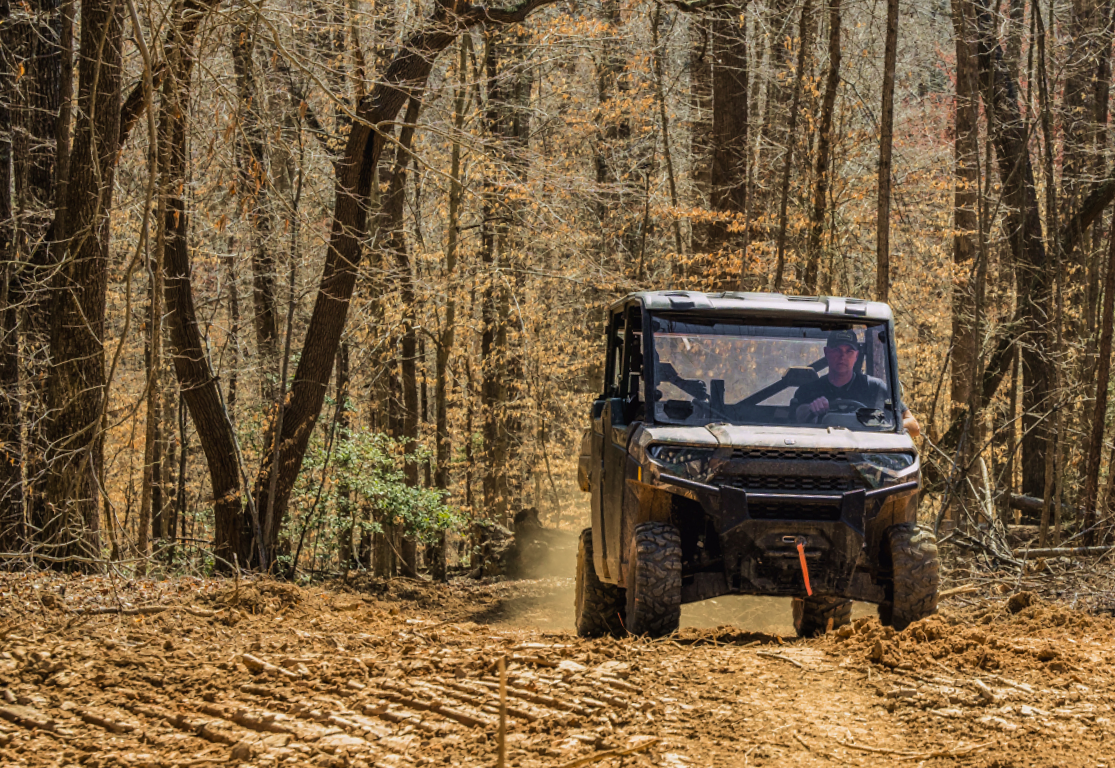
Landowners see the benefit of trails right away and, if you ever need to sell, buyers can immediately picture how they’ll enjoy these areas. A trail turns acreage on paper into a place with something to do, whether that’s driving ATVs, hunting, hiking, or riding bikes or horses. We’ve even put archery and shooting ranges along trail systems.

Every property with trails is instantly more valuable. Period.

The value shows up in two places: the recreation you get out of the land now, and the monetary value it adds for whoever holds it next.
Curious what is happening with land values in the Carolinas and Virginia right now? Our brokers share their on-the-ground experience in the market—download our 2026 Rural Land Trends Report.

A trail system makes the property feel bigger.

Trails add perceived scale, and a parcel that reads as larger tends to be worth more. At a recent Poplar dove hunt, we asked guests to estimate the acreage of the property after riding the trail system. Many visitors guessed 100 to 200 acres when it was actually only 60 acres. That means we’ve done our job.
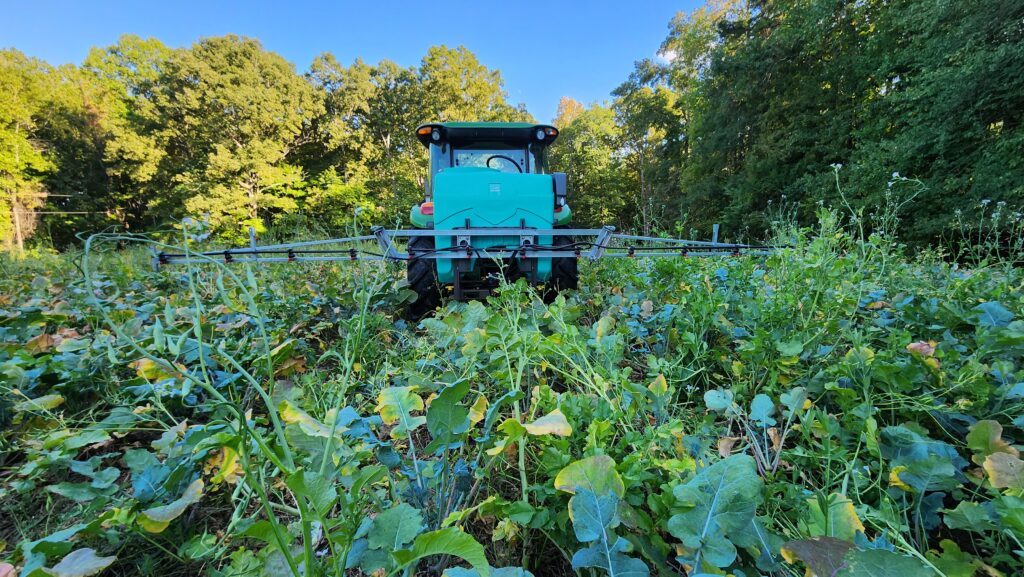
It’s easier and more cost-efficient to manage land with trail access.

The same routes you’d ride for fun are the ones you’ll use to maintain the land with tractors and other equipment. Getting machinery to where the work is, without cutting a new path every time, means less time and fewer dollars spent on every job.

Trails are also effective as fire breaks.

This gives you a line of defense against a wildfire you didn’t plan for, and a controlled edge for the one you did. For owners using prescribed fire to hold open ground, maintain views, and manage timber economically, a trail network that doubles as a firebreak means one investment doing two jobs.

A good trail does several jobs at once, and each one makes the land more useful and valuable to the person who owns it.

The edges can be planted to stabilize the ground and feed wildlife.

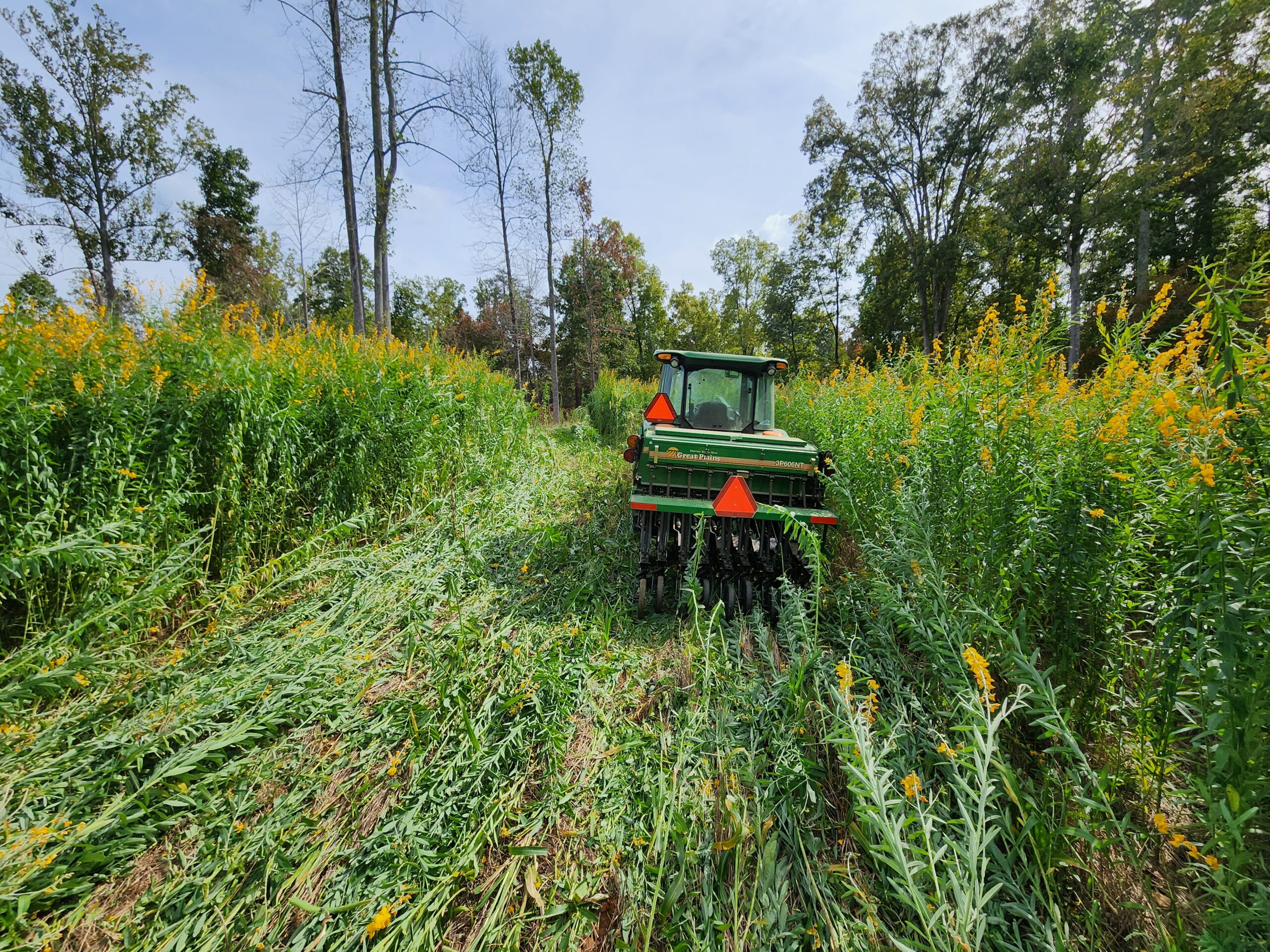
Once grading is done on roads and trails, we often plant a 30-foot border along the field edges in a clover mix, a perennial that inhibits erosion and gives animals a food source. That matters on steeper ground, where grading too aggressively can create erosion problems of its own, and on land that will be hunted. We call it one idea with multiple benefits.

Sometimes trails are already there.

The fastest, lowest-cost way to unlock a tract is often reopening old skidder roads left from a past timber harvest. Many are already bedded and water-barred, so they can often be brought back with a just skid steer and mulching head—not expensive heavy equipment.

Creating trails is just one kind of improvement we recommend to get the most land value out of your investment. Download our guide, 5 Land Improvements That Return Double the Value (or More), to see the methods we use on almost every property.

Ready to Book Trail Work on Your Land?

If you’d like a tailored Transform or Manage plan for your property, request a free consultation today.
6 Reasons Why You Should “Stage” Your Land Before Selling

When you sell a house, you don’t leave the rooms cluttered or completely empty. You arrange the space so a buyer can see how they’d live there. You may even do some light renovation or upgrades to command a higher price. Land deserves the same treatment. Here are six reasons to “stage” yours before it goes on the market.

1. Buyers can’t see potential. They see what’s right in front of them.

Staging a home helps a buyer picture their life in it. The right land improvements can do the same thing. When the best use of the property is already laid out, buyers don’t have to imagine it. They can see how they’d enjoy it, whether that’s on ATVs, horses, dirt bikes and motorcycles, or at a window with a great view.

2. Buyers can only fall for land they can actually get to.

On a site visit, a buyer sees what they can reach. A parcel with no access beyond the front gate might as well be half the size, because most of it never gets seen. Improving access ahead of the sale changes that. Trails and roads are often our first recommendation for sellers, because they allow a buyer to cover more ground in the time they have and make a property feel larger than the acreage on paper. (They immediately raise land value, too!)

“What determines how quickly the right buyer finds you and what price you can command is almost entirely about how well the property is presented and how effectively it reaches the right audience. Properties where the seller has actively managed timber, maintained fields, or invested in access improvements are commanding meaningful premiums over comparable raw tracts.”

Forrest Breedlove, Poplar Land Company Owner and Broker in Charge

3. Neglected areas drain value.

Allowing appliances, siding, or roofing to go without maintenance can have costly consequences, particularly when it comes time to sell. This also holds true for land. On many tracts, there are areas that have been neglected for years, draining value instead of enhancing it. For example, fallow fields tend to turn into young forests filled with undesirable species, blackberries, and invasive plants. Reclaiming these areas before the sale puts that acreage to work and turns a drain on land value into an asset.

4. The right upgrades can deliver more than 2X in value.

Staging land isn’t a cosmetic expense—it’s a smart investment. The right improvements, like installing trail systems and quality gravel access roads, can deliver more than 2X on your investment. Spending a modest amount up front can help you command a higher price and sell your parcel faster.

5. Strategic work removes obstacles for the potential buyer.

Before listing a house, plenty of sellers would skip a full remodel but do some light work, like refinishing and repainting cabinets. It’s a real expense that nobody thinks of as wasted money, because strategic projects can be the difference between a buyer silently tallying up everything they’d have to do once they take possession and a buyer who just sees a place they can enjoy. This is why we sometimes recommend clearing out low-value trees in favor of open land or completing soil suitability tests for potential build sites before listing. It takes money before it gives anything back, but it brings great returns over time. Each project is one less item on the list a buyer is running in their head.

6. A turnkey property appeals to more kinds of buyers.

A property that’s ready to use speaks to a wider group of people than one that needs a vision and a work crew after closing. Depending on your goals, staged land can attract wildlife enthusiasts, hunters, or hobby farmers or simply read as attractive and turnkey for primary- and second-home buyers. More buyers who can see themselves on the land means more interest in the listing.

Ready to Show Your Land at Its Best?

Whether you’re selling tomorrow or stewarding land for the next generation, a staged property is easier to sell and worth more when it does. Download our guide, 5 Land Improvements That Return Double the Value (or More), to see the methods we use on almost every property at Poplar Land Company.

Or request a free consultation on a tailored Transform or Manage plan for your property.